Commercial Fire Protection Services That Keep You Ready

A failed alarm test, overdue extinguisher tag, or impaired sprinkler system can turn an ordinary workday into a fire marshal issue with real operational consequences. Commercial fire protection services are not simply a box to check once a year. They are the ongoing work of keeping life safety systems functional, documented, and ready when an inspection, emergency, or system failure puts your property under pressure.
For commercial properties across Los Angeles County and Orange County, readiness means more than having equipment on the wall. It means knowing the equipment has been inspected by qualified technicians, required repairs are completed promptly, reports are available, and the right steps are taken when a system is out of service.
What Commercial Fire Protection Services Should Cover
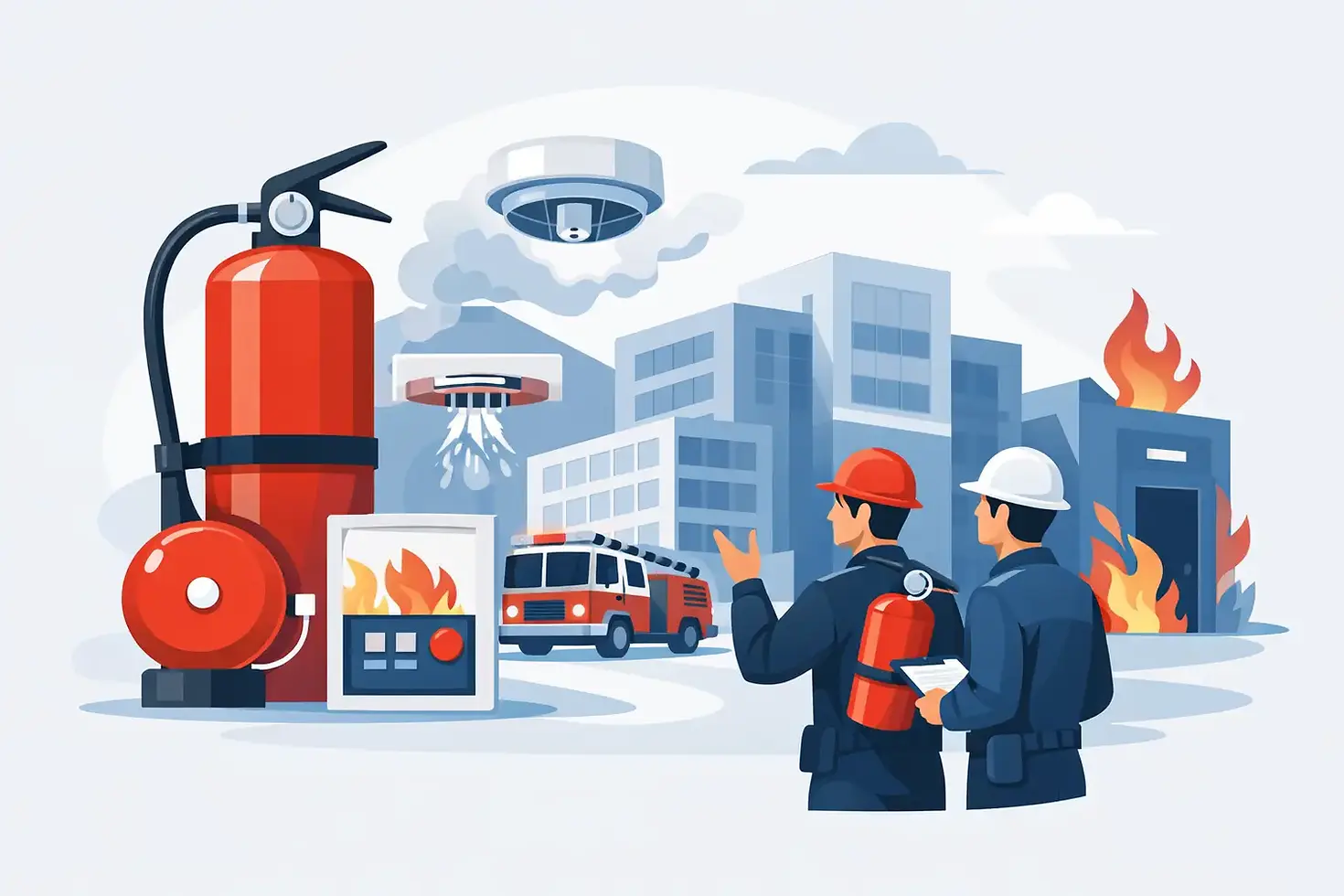
A dependable fire protection program brings related services under one coordinated plan. The exact scope depends on your building type, occupancy, installed systems, and local authority requirements, but most commercial facilities need ongoing attention to portable extinguishers, alarms, sprinklers, monitoring, and compliance records.
Fire extinguishers require the right placement, type, inspection schedule, maintenance, and certification. A warehouse with flammable liquids may need different protection than an office suite, restaurant kitchen, apartment building, or retail store. Installing extinguishers without evaluating the hazards can leave a gap in protection and create a compliance problem during inspection.
Fire alarm systems need scheduled testing, inspection, repair, and reliable monitoring. Devices such as pull stations, smoke detectors, heat detectors, control panels, notification appliances, and communication equipment must perform as intended. A panel trouble signal is not a minor inconvenience. It is a warning that should be investigated before the condition becomes an impairment or violation.
Sprinkler systems also need routine inspection, testing, maintenance, and repair. Valves, gauges, risers, fire department connections, backflow-related components, and supervisory devices all play a role in system performance. A closed valve, damaged sprinkler head, low-pressure issue, or missing inspection record can create serious exposure long before a fire occurs.
Central station monitoring adds another layer of protection by helping ensure alarm signals are received and acted on around the clock. For properties that are occupied intermittently, operate after hours, or have limited on-site staff, monitored fire alarm service can be especially valuable.
Compliance Is a Year-Round Responsibility
Many property owners first think about fire protection when an annual inspection is due. That approach often leads to rushed repairs, missed paperwork, and avoidable violations. A better approach is to treat compliance as an operating requirement, much like elevator service, security, or preventive HVAC maintenance.
California Title 19 requirements, local fire codes, and Los Angeles Fire Department requirements can affect inspection schedules, documentation, and correction work. Properties subject to LAFD Regulation 4 requirements need accurate testing and certification records. If your building receives a notice, the fastest path forward is usually a clear assessment of the deficiency, a documented repair plan, and prompt completion by qualified personnel.
For Los Angeles properties, administrative follow-through matters as much as the field work. A repair may be complete, but a missed submission or incomplete record can leave the issue open in the system. Facility managers and property management teams benefit from a provider that understands the inspection process, correction documentation, and TCE portal submission requirements.
This is where local experience makes a measurable difference. National standards set the foundation, but local fire authority expectations, building conditions, and inspection practices affect how issues are identified and resolved.
The Cost of Waiting for a Failure
Deferred fire protection maintenance can appear to save money until a system goes into trouble, an inspection fails, or an incident occurs. Then the cost includes more than a repair invoice. Businesses may face disrupted operations, tenant complaints, urgent contractor scheduling, fire watch requirements, citations, and increased liability.
A nonfunctional fire alarm, impaired sprinkler system, or other critical deficiency may require a fire watch until protection is restored. Fire watch personnel are a temporary life safety measure, not a substitute for a working system. When a system fails, speed matters. The goal is to maintain required protection immediately while arranging the repair and restoring normal system operation.
The right response depends on the impairment. A minor device issue may be resolved quickly, while a damaged underground line, failed control panel, or extensive sprinkler repair can require more planning. What should not change is the urgency of documenting the condition, notifying the appropriate parties when required, providing interim protection, and moving the repair forward.
How to Evaluate a Fire Protection Provider
Commercial properties need more than a vendor that can perform a basic annual inspection. They need a service partner that can identify deficiencies accurately, explain what must be corrected, complete the repair work, and help maintain a reliable compliance record.
Start with qualifications. The technicians working on your property should be licensed, certified, insured, and trained for the systems they service. Ask whether the provider performs both testing and repair work. Separating those functions can sometimes be appropriate, but it can also create delays when the inspection company identifies a problem and another contractor must be located to resolve it.
Response capability is equally important. If a panel goes into trouble on a Friday evening or a sprinkler system is impaired before a major tenant event, you need to know who answers the call and how quickly support can be deployed. Twenty-four-hour monitoring and emergency response are practical safeguards for facilities where downtime cannot wait until the next business day.
Finally, look at the provider's documentation process. Clear reports, certificates, deficiency descriptions, and repair records make it easier for owners, managers, insurers, and inspectors to understand the status of the building. Good documentation also helps prevent the recurring problem of discovering an overdue test only when the fire inspector asks for it.
Build a Service Schedule Around Your Actual Risks
There is no single maintenance plan that fits every property. A small professional office may have relatively straightforward extinguisher and alarm needs. A multifamily community may require coordination across common areas, risers, tenant access, and multiple systems. Warehouses, manufacturing operations, restaurants, and high-occupancy buildings often have more complex hazards and tighter operational demands.
The most effective service plan begins with an inventory of the systems at the property, required inspection intervals, prior deficiencies, and known risks. From there, inspections can be scheduled before deadlines become emergencies. Repair allowances, access requirements, and tenant communication can also be planned in advance rather than handled under pressure.
It is also smart to review changes at the property. A new tenant use, kitchen installation, storage configuration, renovation, or added equipment can change the fire protection needs of a space. If the occupancy changes but the protection strategy does not, the building may no longer match its actual risk profile.
When an Inspection Finds a Deficiency
A deficiency notice is not the time for guesswork. First, determine whether the issue affects a required fire protection system and whether interim measures, including fire watch, are necessary. Then document the condition, obtain a clear repair scope, and schedule qualified service without delay.
Avoid temporary fixes that are not code-compliant or repairs that cannot be properly documented. The fastest low-cost option is not always the best choice if it creates another inspection issue later. The practical goal is a repair that restores protection, satisfies the applicable requirement, and produces the records needed to close the matter.
Advance Fire Extinguisher Inc. supports commercial properties with inspections, testing, repairs, monitoring, certification, and emergency fire watch response designed around the demands of Los Angeles and Orange County compliance. That combination helps managers move from reacting to problems to maintaining control of their life safety obligations.
Your fire protection program should give you a clear answer when an inspector, tenant, employee, or owner asks whether the building is protected: the systems are maintained, the records are current, and any deficiency has a documented path to correction.


Comments